Materials · 12 June 2026 · 5 min read
Materials that age well in the mountains
Local stone, deodar, lime plaster and a short list of metals. What we specify for Himachal projects, and what we have learned to avoid.
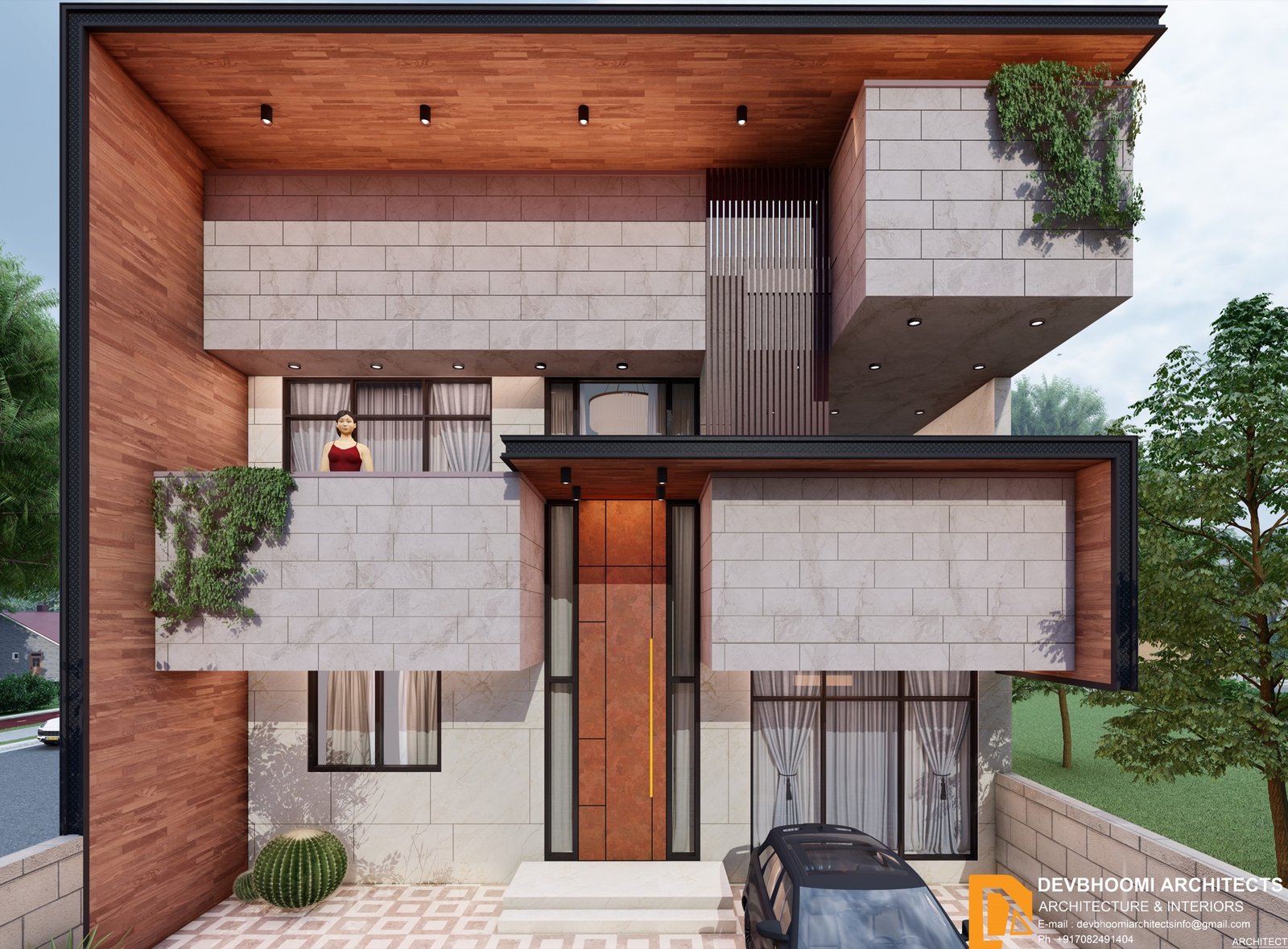
A material choice is a maintenance decision disguised as an aesthetic one. In a climate with heavy monsoon, snow at altitude, and strong summer sun, the finishes that photograph best on handover day are often the ones that ask the most of you afterwards.
What we keep coming back to
- Local stone, dressed on site. It weathers to a better colour than it starts with, and repairs blend in because the source is nearby.
- Deodar and other seasoned local timber for joinery, screens and soffits — dimensionally stable in this humidity range if it has been dried properly.
- Lime or mineral plaster on external walls, because it lets the wall breathe instead of trapping moisture behind a film.
- Powder-coated or anodised aluminium for windows in exposed positions, and mild steel only where it stays dry or can be maintained.
- Terracotta and hand-made tile for floors that take mud and boots without looking damaged.
What we have stopped specifying
Thin stone cladding on adhesive, in exposed positions. Untreated MDF anywhere within reach of monsoon humidity. Dark plastic-based external paints, which chalk and fade unevenly on the sun-facing wall. Flush external details with no drip — water always finds them.
Restraint is not the same as cheapness
The material palettes we are happiest with are short: two stones, one timber, one metal, one plaster. A short list lets you spend the budget on how things meet each other — the reveal, the joint, the threshold — which is where a house actually feels expensive.
We build to last. Honest materials, generous proportions, and detailing you can still live with in twenty years.